Pricing
Outcome-based pricing: A clear-cut advantage in sales
Through outcome-based pricing, businesses pay for results, not seats or tickets. Explore the alignment advantages and hurdles of value-based pricing models.
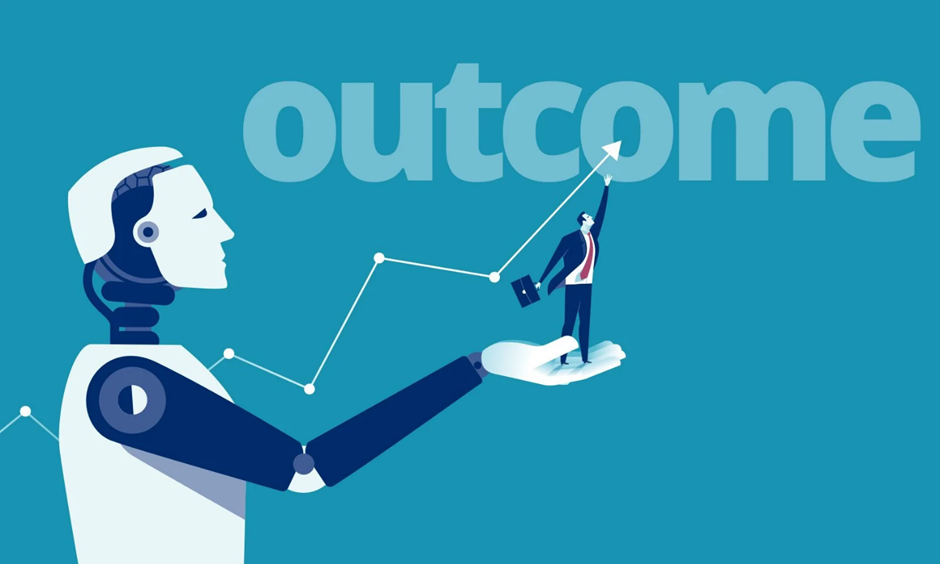
Through outcome-based pricing, businesses can view measurable results based on the value that AI agents achieve.
What is outcome-based pricing?
Outcome-based pricing is a value-based model where the customer is only charged after a defined and measurable result is achieved. Instead of paying for a certain number of tickets, seats, usage, etc., the customer pays for the outcome delivered.
Business impact
One of the biggest advantages that outcome-based pricing provides is that it lessens the financial risk of the customer. Businesses are hesitant to invest if they don't see a clear path to their return on investment (ROI). By linking payments to measurable outcomes, vendors remove much of that uncertainty.
Customers develop trust when they can measure their investment and gain confidence knowing they only pay when the promised results are delivered.
Strong alignment between sellers and buyers
Outcome-based pricing also creates a stronger alignment between buyers and sellers. Since the vendor's revenue depends on achieving successful outcomes, both parties share the same objective. Instead of simply selling a product and moving on, companies become invested in ensuring customers achieve meaningful results. This encourages continuous product improvements, better customer support, and stronger long-term relationships built on trust and accountability.
Challenges in outcome-based pricing
While this model provides a lot of benefits to companies and sellers, it does come with its hurdles:
- Defining End Goals / Outcomes: Evaluating the right criteria to determine an outcome isn't an easy task. One of the hardest tasks is choosing the right metric. The outcome can't be too vague; rather, it needs to be meaningful enough to reflect real business value but specific enough to measure consistently.
- Balancing Price: Setting the right price for outcomes can be tricky. If the cost per outcome is set too high, clients will find their budgets unpredictable and hard to sign off on. Conversely, if the price is too low, the vendor won't generate enough revenue to keep the service running long-term.
- Dispute regarding data & attributes: The hardest part of a clear outcome is proving you caused it. In complex environments, results are driven by a mix of teams, tools, and market factors. That's why outcome pricing fails without shared data, auditable tracking, and clear-cut attribution rules.
Finding Success
Implementing a successful outcome-based pricing model requires a lot of effort. It demands organizational alignment. Sales, finance, legal, product, and operations teams must work together to create contracts, forecasting methods, compensation plans, and billing systems that support variable revenue. Many businesses begin with pilot programs involving a small group of customers before expanding the model across their entire customer base.
Continue reading
AI Support
Implementation of proper AI agents in Customer Service
AI agents are taking over customer service, but pure AI without human supervision fails in the long run. Discover how to balance AI automation and human expertise.
Customer Support
How knowledge-based Chatbots are evolving customer support
Grounded AI is changing support. Discover what a knowledge-based chatbot is, how it works, and how it can bridge the gap between customers and your knowledge base.